Product Categories

Switch Fuses Explained:
Types, Ratings & When to Use Them...
Latest Product

What Is a Switch Fuse?

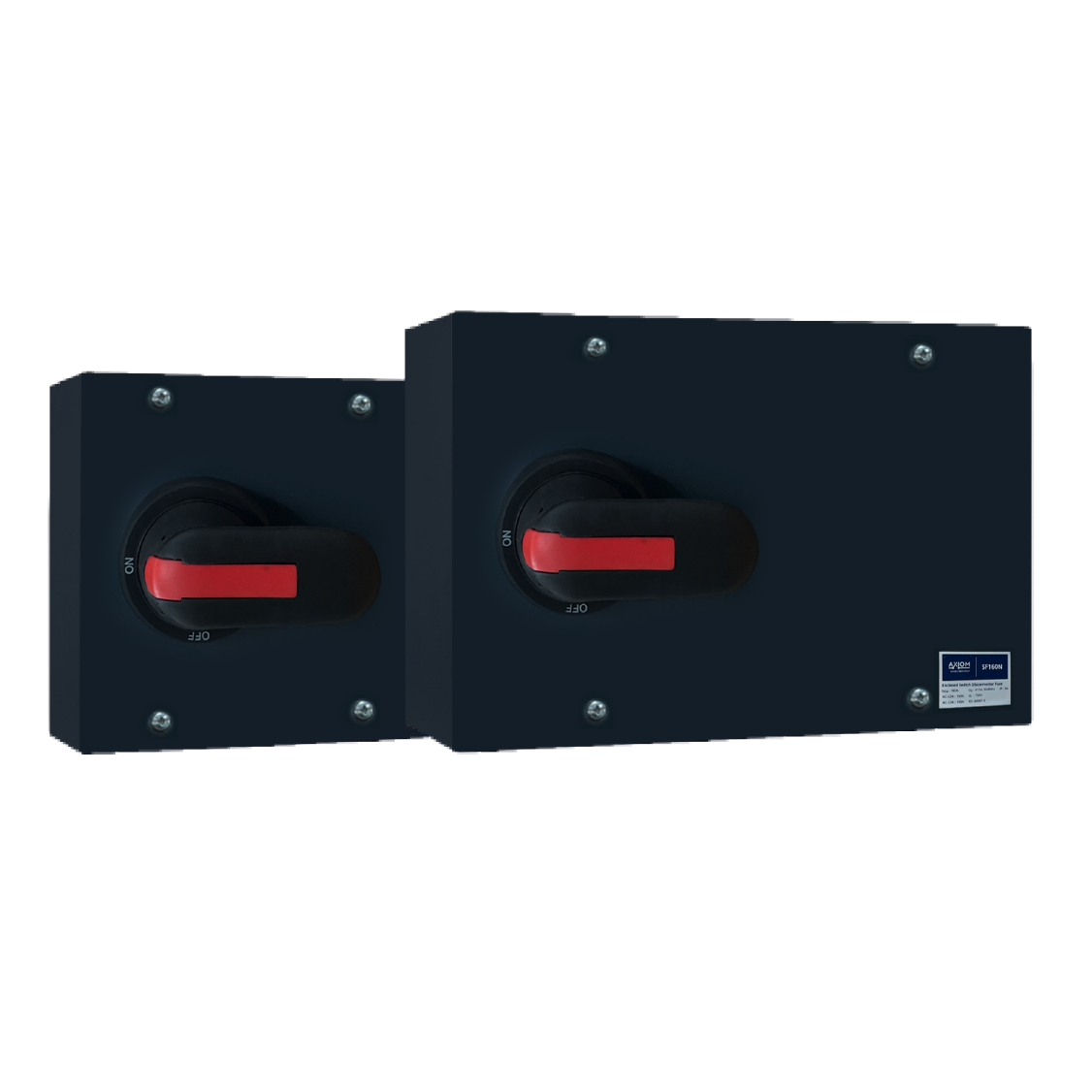
A switch fuse is a load-breaking isolator combined with fuse protection. It allows safe manual isolation of a circuit while providing overcurrent and short-circuit protection via a replaceable fuse link. Most switch fuses use BS 88 or NH fuse links, offering very high fault-current protection compared to many resettable devices.

Typical Applications

Switch fuses are commonly used for:

  • Sub-main distribution circuits
  • Commercial heating systems
  • Distribution boards feeding multiple circuits
  • Motor and plant equipment
  • Agricultural and industrial installations
  • Three-phase supplies
  • They are particularly useful where fault levels exceed the breaking capacity of MCBs.

Key Advantages

  • High breaking capacity, suitable for demanding environments
  • Excellent discrimination with downstream protective devices
  • Clear isolation, often with lockable handles for safety procedures
  • Robust construction, ideal for long service life
  • Switch fuses are a trusted solution where safety, coordination, and reliability are critical.
SWITCH FUSES vs MCBs:
Which Should You Use?
Latest Product

The Delima?

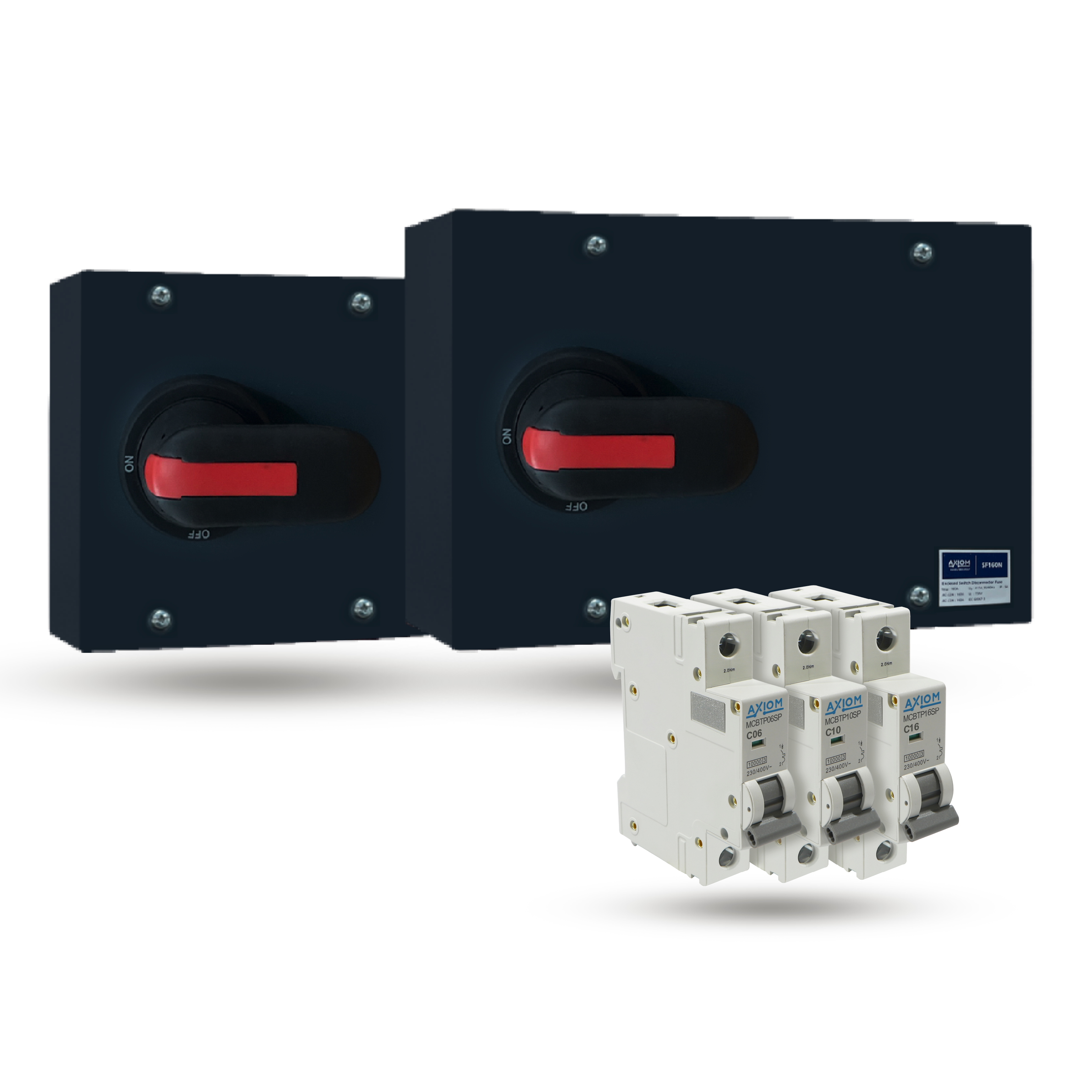
Electricians are often faced with the decision of whether to use a switch fuse or an MCB. While both provide overcurrent protection, their suitability depends on the installation context.

Key Technical Differences

Switch fuses use sacrificial fuse links, whereas MCBs are resettable thermal-magnetic devices. Fuse links can interrupt extremely high fault currents safely, making them ideal for sub-mains and commercial supplies.

When a Switch Fuse Is the Better Choice

  • High fault current environments
  • Sub-main feeds to distribution boards
  • Installations requiring strong discrimination
  • Commercial or industrial loads

When an MCB Is More Appropriate

  • Domestic circuits
  • Lower current final circuits
  • Applications requiring quick reset after faults
  • Situations with lower prospective fault current

Understanding coordination and selectivity ensures circuits disconnect safely without unnecessary outages.

Explore The Full Range of CED Group Switch Fuses

Basket

Your basket is empty